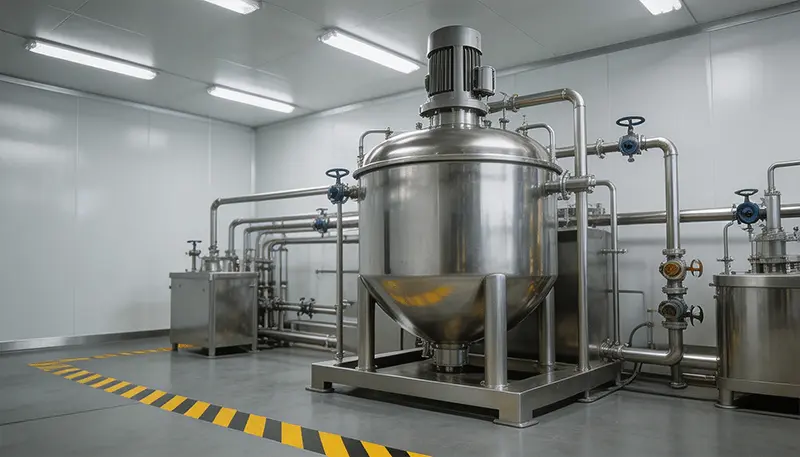
Why Your Factory Partner Defines Your Brand Success
When launching skincare, hair care, or personal care products, the critical decision you will make is selecting the right manufacturing partner for long-term success. Your factory is not just a supplier — it is the backbone of your product quality, delivery speed, compliance safety and ultimately your brand reputation.
In 2026, the global cosmetics market is more competitive than ever. Consumers have higher expectations for ingredient safety, sustainability and efficacy. Working with an inexperienced or uncertified factory can lead to delayed launches, quality issues, regulatory penalties and irreversible damage to your brand image.
A great factory makes you look good to your customers. A bad one makes you look responsible for every mistake. Choose carefully.
Core Evaluation Criteria for Cosmetics Factories
Not all manufacturers are built the same. Below are the non-negotiable criteria you should evaluate before signing any cooperation agreement.
1. Compliance & Certification System
- Valid GMP and ISO 22716 certificates: verify the issuing authority and expiry date
- FDA facility registration: required for US market access
- Standard operating procedures (SOPs): for production, cleaning, quality control and personnel management
- Traceability system: ability to track every batch from raw material to finished product
2. R&D and Formulation Strength
A factory with strong R&D capability can help you stay ahead of market trends. Ask about their formula library size, R&D team background, new product development cycle, and whether they can provide custom formulation services with stability test reports.
3. Production Capacity & Automation Level
- Workshop size and daily output capacity
- Number of automated filling and packaging lines
- Cleanroom classification (100,000 grade or above is standard)
- Raw material warehouse and finished goods warehouse management
4. Quality Control Process
Quality should be built into every step, not just inspected at the end. A reliable factory conducts incoming raw material inspection, semi-finished product testing, filling process monitoring and finished product inspection before shipment.
5. Communication and Project Management
Good communication prevents 80% of production problems. Evaluate whether the factory assigns a dedicated project manager, responds to emails within 24 hours, and can provide regular production updates with photos and videos.
Red Flags You Must Avoid
Watch out for these warning signs during your supplier screening process:
- Prices significantly below the market average — usually means cutting corners on raw materials or quality control
- Unwillingness to provide sample testing or factory inspection
- Vague MOQ policy and hidden fees after order confirmation
- No formal contract or unclear liability clauses
- Cannot provide corresponding certification documents for target markets
How to Audit a Factory Remotely or On-Site
For international buyers, on-site factory visits are not always possible. Here is how you can conduct a thorough audit remotely:
- Request a live video tour of the workshop, laboratory and warehouse
- Ask to see actual production lines in operation, not just showrooms
- Verify original certificates and check their authenticity with issuing bodies
- Request client references and case studies of similar brands
- Order formal lab samples and compare quality across multiple suppliers
Steps to Start a Successful Cooperation
Step 1: Define Your Requirements Clearly
Prepare a clear brief including product category, target market, estimated order quantity, packaging preference and special formula requirements. The more specific you are, the more accurate the quotation and solution will be.
Step 2: Sample Evaluation First
Never skip the sampling stage. Test formula, texture, fragrance, packaging and printing quality carefully. Only proceed to mass production after all details are confirmed in writing.
Step 3: Sign a Formal Agreement
Make sure all key terms are written into the contract: MOQ, unit price, delivery time, quality standards, rework policy, payment terms and confidentiality clauses.
Final Takeaway
Choosing a cosmetics factory is a long-term investment in your brand. Take the time to do your due diligence, ask the right questions, and prioritize reliability and quality over the lowest price. The right partner will grow with your brand and become your most valuable business asset.
At Purcos, we welcome full transparency at every stage — from factory tours to sample testing and production tracking. If you are looking for a trusted manufacturing partner for your next beauty line, our team is ready to walk you through the entire process.