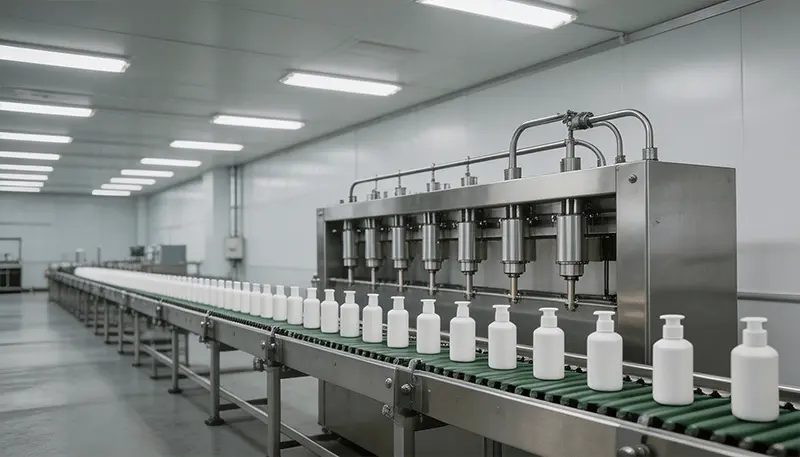
Why 2026 Is the Right Time to Start Your Beauty Brand
From product concept to packaging design and final production, learn how to build your private label cosmetics line with flexible MOQ and fast turnaround. Launching a beauty brand has never been more accessible than it is today. Mature OEM/ODM infrastructure, global e-commerce channels and growing consumer demand for niche beauty brands have dramatically lowered the barrier to entry.
At the same time, the market is more competitive. Success no longer comes from just putting a logo on a generic product — it requires clear positioning, thoughtful product selection and a reliable manufacturing partner. This guide walks you through the entire process from idea to first shipment.
You don't need a huge budget or a chemistry degree to launch a beauty brand. What you need is the right partner, a clear plan, and the discipline to test before you scale.
Phase 1: Define Your Brand & Product Strategy
Before contacting any manufacturer, spend time on strategy. Brands that skip this step almost always end up wasting time and money on products that don't sell.
1.1 Find Your Niche & Positioning
- Target audience: who is your ideal customer, what problems do they have?
- Price tier: mass market, mid-range or premium?
- Core selling points: clean beauty, anti-aging, professional salon quality, affordability?
- Differentiation: what makes you different from the hundreds of existing brands?
1.2 Select Your Launch Product Range
For new brands, we strongly recommend starting with 3–5 core SKUs instead of a full product line. This reduces upfront investment, simplifies inventory management and lets you focus on marketing bestsellers.
Good starter categories include:
- Skincare: moisturizer, serum, cleanser, face mask
- Hair care: shampoo, conditioner, hair oil, treatment mask
- Body care: body lotion, body wash, hand cream
Phase 2: Choose the Right Manufacturing Model
New brands typically start with one of two approaches, and most graduate to a mix over time.
2.1 ODM Private Label (Fastest Launch)
Use the factory's existing mature formulas and stock packaging, add your own logo and label design. This is the fastest and lowest-risk way to launch.
- Pros: low MOQ, fast production, proven formulas, low development cost
- Cons: limited exclusivity, formula owned by factory
- Best for: first-time brand owners, market testing, fast launch projects
2.2 Custom OEM (For Long-Term Growth)
Develop custom formula, unique packaging and full brand identity with the manufacturer. Higher investment but full product ownership.
- Pros: exclusive product, stronger brand identity, better margin long-term
- Cons: higher MOQ, longer lead time, higher development cost
- Best for: brands with clear USP and growth plan
Phase 3: Select & Audit Your Manufacturing Partner
Your factory is your most important business partner. Take this step seriously.
- Shortlist 3–5 factories based on product category expertise
- Verify certifications: GMP, ISO 22716, FDA registration
- Request quotations and compare MOQ, price and lead time
- Order samples from each supplier and evaluate side by side
- Conduct video factory tour or on-site audit for large projects
- Check client references and similar brand case studies
Phase 4: Product Development & Sampling
4.1 Formula Sampling
Test every sample thoroughly: texture, scent, skin feel, absorption and performance. Do not rely on description only. Make notes for every adjustment you want. Specific feedback leads to faster sample approval.
4.2 Packaging Design
Packaging is 50% of the product experience, especially for beauty brands. Work with the factory's design team or your own designer to ensure files are production-ready. Always request a printed packaging sample before mass production.
4.3 Final Confirmation
Before placing the bulk order, confirm everything in writing: formula specification, packaging artwork, unit price, MOQ, delivery date and quality standards. Verbal agreements cause 90% of production disputes.
Phase 5: Production, Compliance & Launch
5.1 Mass Production
Standard production takes 25–45 days. A good manufacturer will provide regular progress updates. You can request production photos and pre-shipment inspection.
5.2 Compliance Documentation
Make sure you receive all required documents for your target market:
- MSDS / safety data sheets
- Certificate of Analysis (COA) per batch
- Certificate of Origin
- Any additional certification required by your country
5.3 Shipping & First Launch
For your first order, consider air freight for speed even if it costs more. Getting products to market faster lets you start selling and gathering customer feedback sooner. You can switch to sea freight for reorders.
Phase 6: Scale & Iterate
Launch is just the