Why China Leads Global Cosmetics OEM Manufacturing
Over the past decade, China has evolved from a low-cost production base into a global innovation hub for beauty manufacturing. With mature supply chains, advanced formulation R&D and strict compliance systems, Chinese cosmetics factories now serve over 60% of the world's private label beauty brands.
For emerging DTC brands and established beauty companies alike, partnering with the right OEM/ODM manufacturer in China means faster time-to-market, flexible MOQ options, and access to cutting-edge ingredients that would otherwise take years to develop in-house.
The most successful beauty brands don't build their own factories — they partner with manufacturers that already have the expertise, certifications and scale to bring ideas to market reliably.
Key Criteria for Selecting a Reliable OEM Partner
Before shortlisting manufacturers, it is critical to evaluate partners across multiple dimensions. Price alone should never be the deciding factor. Here are the core standards used by top global brands when auditing cosmetics factories in China.
1. Compliance & Certification
- ISO 22716 & GMP certification: the baseline for international cosmetics manufacturing
- FDA registration: mandatory for products entering the US market
- MSDS & safety assessment reports: required for shipping and customs clearance
- Third-party audit records: SGS, Intertek or equivalent annual audits
2. Formulation R&D Capability
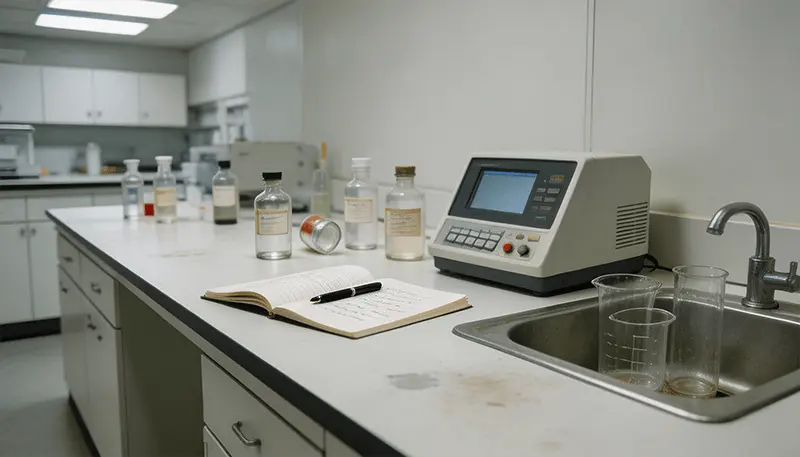
A strong in-house R&D team is what separates a true ODM partner from a simple filling factory. Look for manufacturers with dedicated laboratories, senior cosmetic chemists, and a proven track record of launching trend-driven formulations.
3. Production Scale & Flexibility
- Minimum order quantity that matches your business stage
- Ability to scale from trial batches to full container orders
- Automated filling and packaging lines for consistent quality
- Clean workshop standards above 100,000 grade
4. One-Stop Service Support
Full-service OEM providers handle everything from formula development, packaging sourcing, design adaptation, sample testing, bulk production to export documentation. This significantly reduces your management cost and communication overhead.
Top 15 OEM/ODM Partners: What to Expect
The top 15 cosmetics manufacturers in China cover different market positioning and product categories. Some specialize in high-end skincare with premium active ingredients, others focus on mass-market hair care or color cosmetics. Many also offer turnkey private label packages for startup brands.
When evaluating the list, pay attention to each factory's core categories, typical client profile, export experience in your target market, and case studies of similar brands. A factory that excels at hair care may not be the best choice for anti-aging skincare, and vice versa.
How to Start Your First OEM Project
- Define your product concept, target audience and price positioning
- Request quotations from 3–5 shortlisted manufacturers
- Order samples and evaluate formula, texture and packaging quality
- Conduct factory audit or video inspection before mass production
- Sign formal agreement with clear MOQ, lead time and quality terms
Final Thoughts
Choosing the right OEM/ODM partner is one of the most important decisions for any beauty brand. A reliable manufacturer not only produces your products, but also acts as your long-term strategic partner in formulation innovation, regulatory compliance and supply chain stability.
At Purcos, we work with brands of all sizes — from startup private label lines to established international beauty companies. If you are looking for a trusted cosmetics manufacturing partner in China, feel free to reach out for a customized project proposal.